
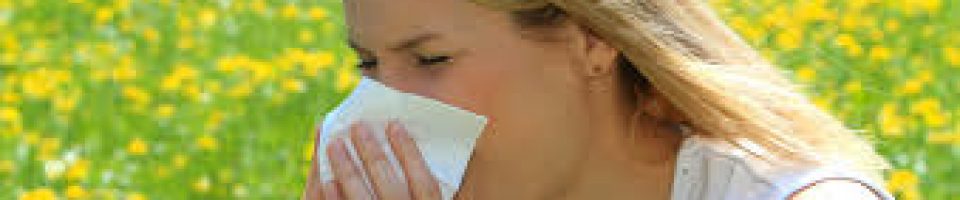
Why antihistamines are not the whole answer and what actually works.
Spring arrived last week and within a day my nose was tingling. As a naturopath who treats allergic rhinitis regularly in clinic, I will admit there is something quietly humbling about experiencing a common problem many people suffer from daily during the spring.
Watery eyes, itchy nose, sneezing fits that seem to come from nowhere, a fuzzy head that makes it hard to think clearly. For millions of Australians, this is simply what spring feels like. Many reach for antihistamines and while they can take the edge off, they do not address what is actually driving the reaction. And for a lot of people they do not even work that well anymore. I have patients who take them daily as an “insurance policy” but still suffer from hay fever. Go figure!
So let me share what I actually look at when a patient comes in with hayfever because there is quite a lot more going on than just pollen.
What is Actually Happening in the Body
Hayfever or allergic rhinitis is an immune system overreaction. The body misidentifies a harmless substance (pollen, dust mites, mould spores) as a threat and mounts an inflammatory response. Mast cells in the nasal lining release histamine, which triggers the familiar cascade: sneezing, runny nose, itchy eyes, congestion.
The question worth asking is not just what is triggering the reaction but why is the immune system so reactive in the first place? A well regulated immune system should be able to tolerate pollen without launching a full inflammatory response. When it cannot, that tells us something about the underlying terrain.
This is where naturopathic and Chinese Medicine thinking diverge from the conventional antihistamine approach we are interested in the terrain, not just the trigger.
The TCM Picture: Lung Qi Deficiency and Wei Qi
In Chinese Medicine, hayfever and allergic rhinitis are most commonly associated with Lung Qi deficiency and weakened Wei Qi, which is the defensive energy that circulates on the surface of the body and protects against external pathogens and environmental irritants.
When Lung Qi is deficient, the body’s surface defences are compromised. Wind, one of the six external pathogenic factors in TCM carries pollen and other irritants and easily penetrates a weakened defensive layer. The result is the classic presentation: sneezing, runny or blocked nose, watery eyes, sensitivity to wind and temperature change.
Other common TCM patterns I see in clinic include:
- Lung and Spleen Qi deficiency — often seen in people who are tired, have loose stools or poor digestion alongside their hayfever. The Spleen in TCM generates the Qi that feeds the Lungs, so when it is weak, the whole respiratory defence system suffers.
- Wind-Cold invasion — sneezing, clear watery discharge, aversion to cold and wind. This pattern is more prominent early in the season or in those who are constitutionally cold.
- Wind-Heat invasion — itchy, red, watery eyes, yellow or thick nasal discharge, sensation of heat. More common as the season progresses and in those with a Heat constitution.
- Kidney Yang deficiency — chronic, year-round allergic rhinitis with morning sneezing on waking, cold extremities, low back weakness. The Kidneys in TCM are the root of all defensive energy so when they are depleted, the whole system is vulnerable.
Identifying the correct pattern allows me to use acupuncture and herbal medicine very specifically not just symptom relief but genuine constitutional treatment.
The Food Intolerance Connection Most People Miss
This is one of the most important things I share with hayfever patients and one of the most overlooked.
Wheat, rye and corn are grasses. And grass pollination peaks in spring exactly when hayfever season begins.
For people who have an underlying sensitivity to wheat or corn, spring is the time of year when that sensitivity is most likely to flare and most likely to manifest as or exacerbate respiratory symptoms. The immune system is already primed and reactive from environmental pollen exposure, and food triggers add to the inflammatory load.
If your hayfever is particularly severe in spring, or if you notice digestive symptoms alongside your respiratory ones, it is worth trialling a reduction in wheat and corn during the season and seeing whether your overall reactivity improves. In clinic I often run food intolerance testing alongside allergy investigation to get a complete picture.
Other foods that can increase histamine load and worsen hayfever symptoms include: fermented foods, aged cheeses, alcohol (especially wine and beer), smoked meats, tomatoes, spinach, and strawberries. For the highly reactive patient, a low-histamine diet through peak season can make a meaningful difference.
Natural Support That Actually Works
Vitamin C
A natural antihistamine and anti-inflammatory. Vitamin C stabilises mast cells, reducing the amount of histamine released in response to allergens. It also supports immune regulation and helps the body clear histamine more efficiently. I use therapeutic doses through hayfever season significantly higher than the standard RDI.
Zinc
Essential for immune regulation and mucosal integrity. Zinc deficiency is associated with increased allergic reactivity. Combined with Vitamin C, it provides foundational support for the overactive immune response underlying hayfever.
Quercetin
One of the most effective natural antihistamines available. Quercetin is a bioflavonoid that directly stabilises mast cell membranes, preventing the release of histamine. It works best taken consistently through the season rather than reactively when symptoms flare. Think of it as a natural preventive rather than a rescue remedy. Found in onions, apples and capers, but therapeutic doses require supplementation.
Nigella Sativa (Black Seed): My favourite histamine reducing formula
Nigella sativa is one of my favourite herbs for allergic conditions. It has significant anti-inflammatory and antihistamine properties, stabilises mucosal membranes, and modulates the immune response at a deeper level than symptom suppression alone. The Histease formula combines nigella with other synergistic herbs for a powerful anti-allergic effect. This is one of the first things I reach for in clinic for hayfever patients.
Acupressure Points You Can Use at Home Today
You do not need to be in clinic to get relief. These four acupressure points are easy to find and can bring real symptomatic relief when used together. Press firmly on each point for 30 to 60 seconds, breathing slowly.
- LU7 — Lieque (just above the wrist on the inner forearm, two finger widths from the wrist crease): opens the Lung channel, clears nasal passages, strengthens defensive Wei Qi. One of the most important points for respiratory allergies.
- BL2 — Zanzhu (at the inner corner of each eyebrow, in the small notch you can feel): relieves itchy, watery eyes, frontal headache and sinus congestion. Press both sides simultaneously.
- ST2 — Sibai (directly below the pupil, on the lower eye socket ridge): clears the eyes, relieves itching and tearing, benefits the sinuses.
- Du24 — Shenting (on the midline of the scalp, half a thumb width inside the hairline): calms the mind, clears the head, particularly useful for the fuzzy-head and foggy thinking that accompanies hayfever.
Used together these points address the eyes, sinuses, nasal passages and the overall clarity of the head. A few minutes of self-acupressure morning and evening through hayfever season is genuinely worth doing.
When to Come In
If your hayfever is significantly impacting your quality of life like your sleep, your concentration, your ability to be outdoors, or if antihistamines are not giving you adequate relief, it is worth coming in for a proper assessment.
In clinic I can identify your TCM pattern, prescribe a targeted herbal and nutritional protocol, and use acupuncture to address both the acute symptoms and the underlying constitutional vulnerability that makes you reactive in the first place. For many patients, consistent treatment through spring leads to noticeably milder symptoms each subsequent season.
School holidays are coming up which means we have good availability over the next few weeks a great window to get on top of this before the season peaks.
Book an appointment: click here
Or call us on 9589 4549
xx Marta
Naturopath, Acupuncturist, and founder of Shine Health Wellbeing Centre, Black Rock
Helping you Shine from Inside Out




Leave a Comment